
Understanding Lead Contamination and Its Health Risks
Lead contamination remains a serious issue in many homes and workplaces, often hidden in places we least expect. Exposure to lead can cause severe health problems, especially for children and vulnerable adults. Knowing where lead contamination comes from and how to handle it can protect your health and that of your family.

Health Risks of Lead Exposure
Lead is a toxic metal that affects nearly every organ in the body. Children are particularly vulnerable because their developing brains and nervous systems absorb lead more easily. Exposure can cause:
Developmental delays and learning difficulties
Behavioral problems such as irritability and attention issues
Lower IQ scores and reduced academic achievement
Adults exposed to lead may face:
High blood pressure and cardiovascular problems
Kidney damage
Reproductive issues
According to the Centers for Disease Control and Prevention (CDC), even low levels of lead in blood can affect a child’s ability to learn. In some communities, lead poisoning has caused long-term health and social challenges, highlighting the importance of early detection and prevention.
Identifying Lead Contamination
Lead contamination often comes from common sources that may be overlooked:
Old paint: Homes built before 1978 often contain lead-based paint. When paint chips or deteriorates, it releases lead dust.
Plumbing: Lead pipes, fixtures, or solder can leach lead into drinking water.
Soil: Soil near busy roads or industrial sites may contain lead from past use of leaded gasoline or industrial waste.
Dust: Lead dust can accumulate indoors from contaminated soil or deteriorating paint.
To spot potential lead contamination:
Look for chipping or peeling paint in older buildings.
Test water if your plumbing is old or if water has a metallic taste.
Check soil near your home if you live near highways or industrial areas.
Importance of Professional Assessment
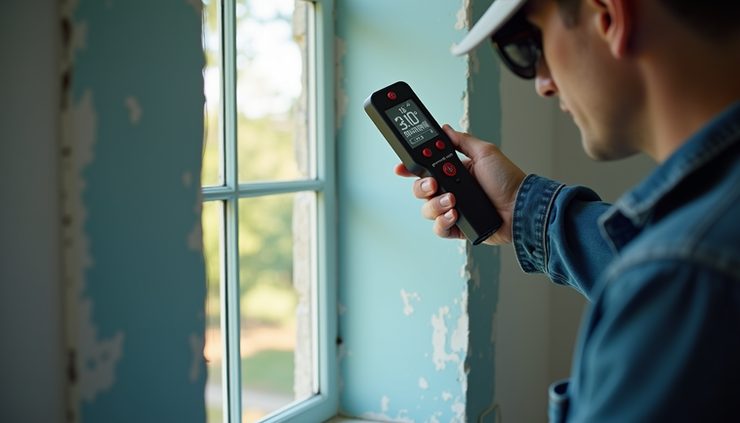
While home test kits can give a rough idea, professional assessment is essential for accurate identification. Certified inspectors use specialized tools such as X-ray fluorescence (XRF) analyzers and laboratory testing of paint, dust, soil, and water samples.
The assessment process includes:
Visual inspection of the property
Sampling suspected materials
Analyzing samples in a lab or with portable devices
Providing a detailed report with contamination levels and recommendations
Professional assessment ensures you understand the extent of contamination and the best course of action to protect health.
Lead Removal Process
Removing lead contamination safely requires careful planning and expertise. The process typically involves:
Containing the area to prevent dust spread
Using specialized equipment to remove or encapsulate lead paint
Replacing or treating plumbing with lead components
Cleaning soil or covering it with clean soil or barriers
Thorough cleaning of dust and debris using HEPA vacuums and wet wiping
Hiring certified lead removal professionals is crucial. They follow strict safety regulations set by agencies such as the Environmental Protection Agency (EPA) and Occupational Safety and Health Administration (OSHA). These rules protect workers and residents from exposure during removal.
Improper removal can increase lead dust and contamination, making the problem worse. Certified contractors have the training and equipment to handle lead safely and dispose of hazardous waste properly.


Comments