
When Should You Call a Professional for Hazard Assessment and Removal in Your Home or Business
- Alaska Environmental
- May 7
- 3 min read
Hazards in your home or business can pose serious risks to health, safety, and property. Knowing when to call a professional for hazard assessment and removal can prevent accidents, costly damage, and legal issues. This post explains key signs that indicate it’s time to seek expert help and what you can expect from professional services.
Recognizing Common Hazards That Require Professional Attention
Hazards come in many forms, and some are easy to spot while others hide in plain sight. Here are some common hazards that often need professional assessment:
Mold and Mildew
Mold growth can cause respiratory problems and damage building materials. If you notice a musty smell, visible mold patches, or water stains, a professional mold inspection is necessary.
Asbestos and Lead Paint
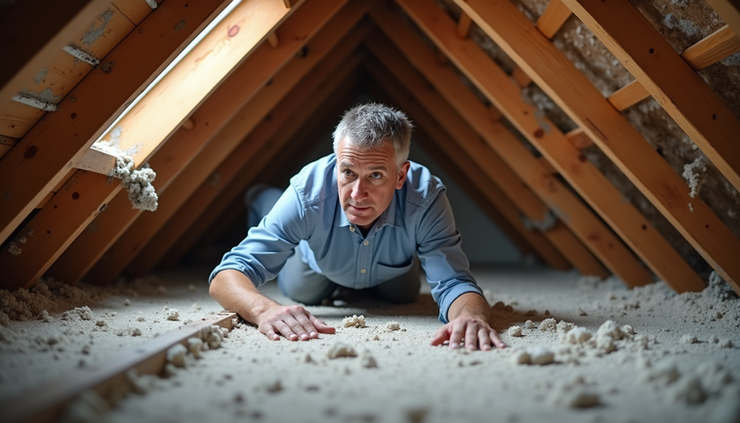
Older buildings may contain asbestos insulations in various forms or lead-based paint. Disturbing these materials without proper precautions can release harmful particles. Professionals use specialized equipment to test and safely remove these hazards.
Electrical Issues
Flickering lights, frequent breaker trips, or exposed wiring are signs of electrical hazards. Licensed electricians can assess risks and perform safe repairs.
Pest Infestations
Rodents, termites, and other pests can damage structures and contaminate food. Pest control experts identify infestations and apply targeted treatments.
Chemical and Biological Hazards
Spills of hazardous chemicals, sewage backups, or biohazard contamination require trained professionals to handle cleanup safely.
When to Call a Professional for Hazard Assessment
Some situations clearly require expert evaluation. Consider calling a professional if you experience any of the following:
After Water Damage or Flooding
Water can cause hidden mold growth and structural weakening. Professionals use moisture meters and thermal imaging to detect damage behind walls and under floors.
Before Renovations or Demolition
Testing for asbestos, lead, or other hazardous materials before starting work protects workers and occupants.
If You Suspect Hidden Hazards
Strange odors, unexplained health symptoms, or visible damage may indicate unseen risks.
Following an Accident or Incident
Fires, chemical spills, or pest outbreaks need immediate professional assessment to prevent further harm.
When Local Regulations Require It
Some jurisdictions mandate professional inspections for certain hazards, especially in commercial properties.
What to Expect from Professional Hazard Assessment and Removal
Hiring a professional means, you get a thorough evaluation and safe removal of hazards. Here’s what typically happens:
Initial Inspection
The expert inspects the property, looking for signs of hazards using tools like moisture meters, air quality monitors, or infrared cameras.
Testing and Sampling
Samples of air, dust, or materials may be collected and analyzed in a lab to confirm the presence of hazards.
Detailed Report
You receive a report outlining findings, risks, and recommended actions.
Removal or Remediation Plan
The professional develops a plan to safely remove or contain hazards, following industry standards and regulations.
Cleanup and Restoration
Hazardous materials are removed, and affected areas are cleaned and restored to safe conditions.
Follow-up Testing
After remediation, follow-up tests ensure the hazard has been fully addressed.

Tips for Choosing the Right Professional
Not all hazard assessment and removal services are the same. Use these tips to find a qualified expert:
Check for proper licenses and certifications related to the specific hazard (e.g., mold remediation, asbestos abatement).
Look for experience with similar properties and hazards.
Read reviews or ask for references.
Confirm they follow safety protocols and local regulations.
Get a clear written estimate and scope of work.
Protecting Your Home or Business Long Term
Regular maintenance and inspections can reduce the risk of hazards developing unnoticed. Consider scheduling professional assessments every few years or after major events like storms or renovations. Educate yourself and your staff about hazard signs and safety practices.
Taking action early helps protect your health, property, and peace of mind. When in doubt, calling a professional for hazard assessment and removal is a smart investment.



Comments